When a NATO War Game Looked Like Real War — Able Archer 83
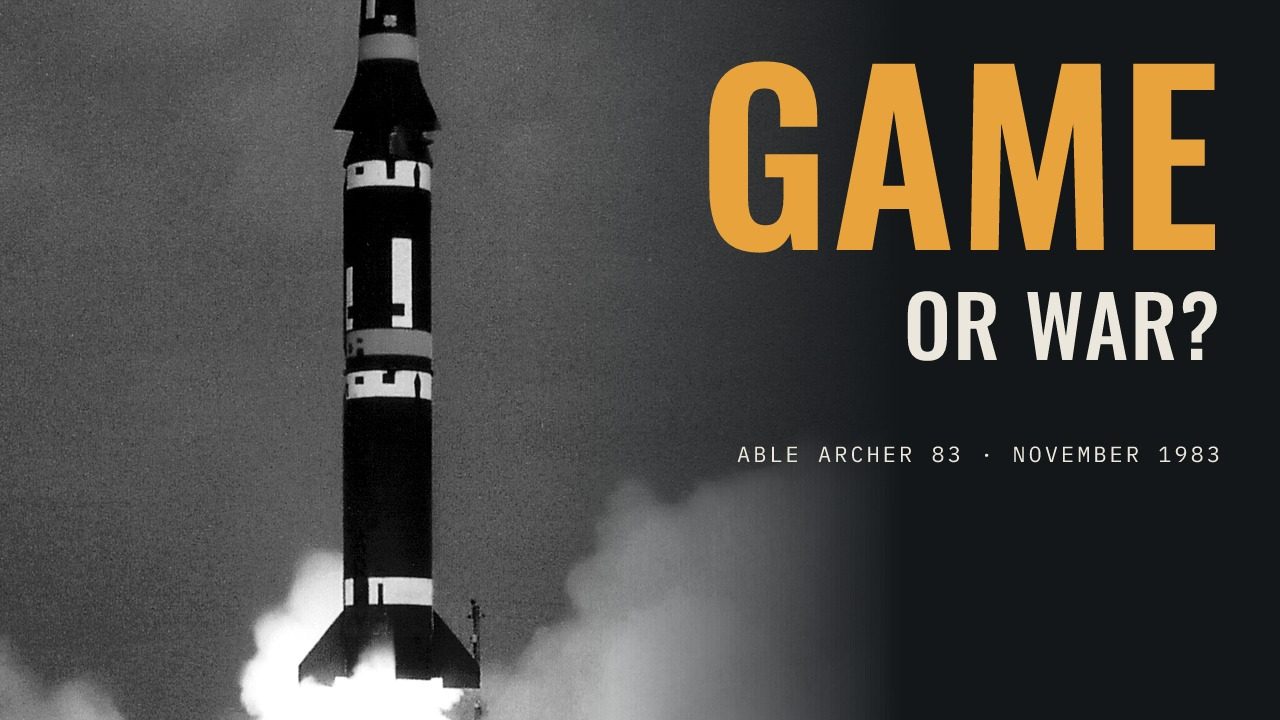
Watch on YouTube Subscribe to Faded Pin
Did the world almost go to nuclear war in November 1983? For five days, 7–11 November, NATO's Able Archer exercise practised a war in Europe all the way up to the release of nuclear weapons — on paper. But in a year of fear (a missile shield in space, the shooting down of KAL 007, a Soviet false alarm), some Soviet commanders weren't sure it was only a game. Nuclear-capable aircraft in East Germany and Poland went on alert. One American officer decided not to respond. A secret US report, declassified only in 2015, concluded the US "may have inadvertently placed our relations with the Soviet Union on a hair trigger." This is what the declassified record shows — and what historians still argue about.
▶ Full story, transcript and sources: https://fadedpin.vercel.app/stories/able-archer-83-nuclear-war-scare
Chapters
- 0:00A war on paper
- 1:05A dangerous year
- 2:33The exercise
- 3:17The Soviet alert
- 4:15The man at Ramstein
- 5:05The spy
- 5:56The secret report
- 6:25How close?
- 7:00A paper war
The full story
In November nineteen eighty-three, NATO went to war with the Soviet Union. On paper.
It was an exercise, called Able Archer. For five days, NATO commanders across Western Europe practised what they would do if a war in Europe got out of control, all the way up to the moment of releasing nuclear weapons.
Nothing was fired. No troops moved. But on the other side of the Iron Curtain, some Soviet commanders were not sure it was only a game. In East Germany and Poland, nuclear-capable aircraft were put on alert.
Many years later, a secret American report would conclude that, that autumn, the United States may have put its relations with the Soviet Union on a hair trigger. And almost nobody knew at the time.
To understand why, you have to understand nineteen eighty-three. It was one of the most dangerous years of the Cold War.
In Moscow, the Soviet leadership had convinced itself that the United States might be planning a surprise nuclear attack. Since nineteen eighty-one, the KGB had been running a huge intelligence operation, called RYaN, with one purpose: to spot the first signs of an American first strike.
In March nineteen eighty-three, President Ronald Reagan announced a plan for a defence against missiles in space, which Soviet leaders saw as a way to make America safe from retaliation. In September, a Soviet fighter shot down a Korean airliner that had strayed into Soviet airspace, killing all two hundred and sixty-nine people on board. Weeks later, a Soviet early-warning system reported American missiles on their way, and only the judgement of one officer, Stanislav Petrov, kept it from being treated as real.
And in the autumn, the United States was about to place new Pershing Two missiles in West Germany, missiles that could reach Soviet territory in minutes.
Able Archer was held every year. It was a command-post exercise. The war existed only on paper, in messages, and in the headquarters of NATO in Belgium.
But in nineteen eighty-three, some things were different. The messages used a new format and new codes. There were periods of radio silence. Some heads of government took part. The scenario moved, step by step, from a conventional war to the simulated release of nuclear weapons.
To a Soviet intelligence service that was already looking for signs of a surprise attack, every one of these changes looked like something it had been told to watch for.
According to accounts that later came out of the KGB, Soviet intelligence stations in the West were sent urgent messages during the exercise, asking for any sign that an attack was being prepared.
And in East Germany and Poland, Soviet air units went on high alert. Years later, a declassified American memo described Soviet commanders ordering nuclear weapons to be loaded onto bombers, and fighter-bombers held ready to take off within thirty minutes.
None of this was a decision to attack. But it was the posture of an army that thought an attack on it might be coming.
On the American side, the unusual Soviet activity was noticed. At Ramstein air base in West Germany, the intelligence chief of the United States Air Forces in Europe, Lieutenant General Leonard Perroots, had to decide what it meant.
The normal response to an enemy alert is to raise your own. Perroots did not. He advised waiting, and not reacting, until the exercise was over. A later American report said he had acted on instinct, not on any guidance. If NATO had answered the Soviet alert with an alert of its own, each side might have read the other's moves as confirmation of its worst fears.
On the eleventh of November, Able Archer ended. The Soviet alert was stood down.
The West only learned how frightened Moscow had been through a spy.
Oleg Gordievsky was a senior KGB officer in London. He was also secretly working for British intelligence. He reported that the KGB had genuinely feared a Western attack, and the British passed this on to Washington.
When Reagan was told, he reportedly said: "I don't see how they could believe that, but it's something to think about." In his memoirs, he wrote that he had been surprised to learn that many people at the top of the Soviet hierarchy were genuinely afraid of America and Americans.
Some historians believe this was one of the reasons Reagan began, from the following year, to look for a way to talk to the Soviet leadership.
In nineteen ninety, a board of senior advisers to the American president wrote a top secret report on the war scare. It was only released in twenty fifteen, after years of requests by researchers at the National Security Archive in Washington.
Its conclusion was blunt. In nineteen eighty-three, it said, the United States may have inadvertently placed its relations with the Soviet Union on a hair trigger.
How close did the world actually come? Historians still disagree.
Some have called the autumn of nineteen eighty-three the most dangerous moment since the Cuban missile crisis. Others argue that the Soviet leadership never really believed an attack was coming, and that the danger has been exaggerated.
What is not in doubt is that two nuclear superpowers were reading each other's signals through a fog of fear, and that a war game, on one side, could look like the start of a real war on the other.
Able Archer was a paper war. It ended on schedule, and almost no one outside a few intelligence services knew that anything unusual had happened.
In the end, the most important decision of that week may have been one American officer's choice to do nothing at all.
Sources and credits
Sources
- National Security Archive, "The 1983 War Scare Declassified and For Real" (October 2015) — the President's Foreign Intelligence Advisory Board report (1990)
- Wikipedia, "Able Archer 83" (and the sources cited there: Benjamin Fischer/CIA, Andrew & Gordievsky, Robert Gates, Beth Fischer, Don Oberdorfer, Reagan's An American Life, Simon Miles 2020)
- Carnegie Corporation of New York, summary of the declassified report
Photographs
- Pershing II test launch, June 1983 — US Army, public domain
- Lt. Gen. Leonard H. Perroots — US Air Force, public domain
- President Ronald Reagan, 6 June 1983 — White House, public domain
- "Soviet Military Power" illustration, US Department of Defense, 1983 — public domain
- Soviet Su-24M at ILA Berlin, June 1992 (flown in from a base in Poland) — Rob Schleiffert, CC BY-SA 2.0
Related stories on Faded Pin:
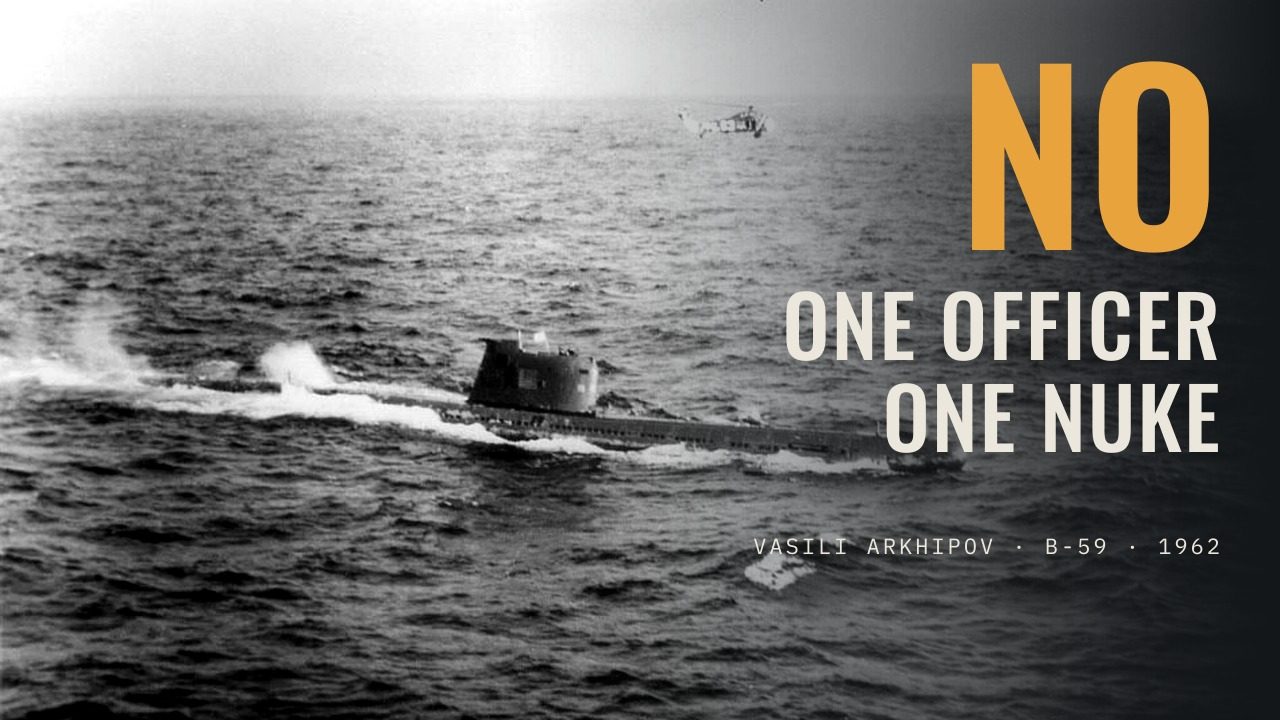
- Vasili Arkhipov: https://youtu.be/nZPLAUkhgr8
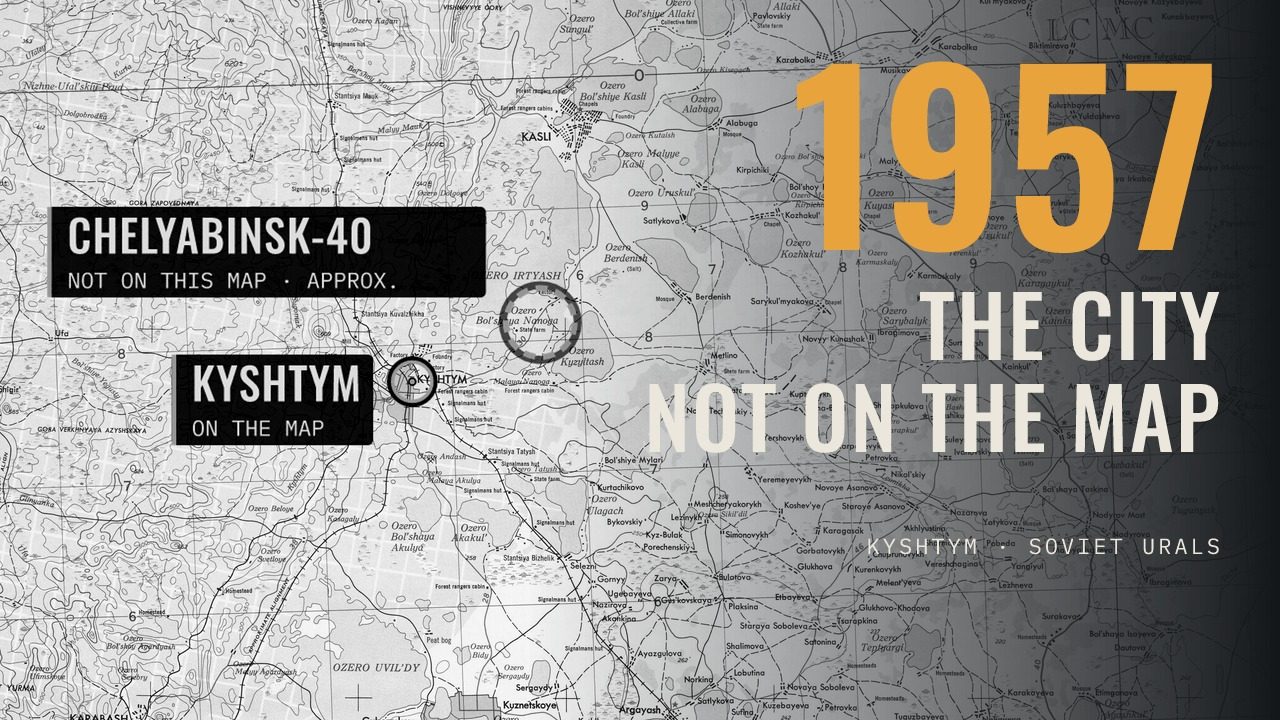
- Kyshtym 1957: https://youtu.be/00_RE5Ag_z8
Related stories